Turn internal APIs and cURL workflows into local MCP tools for AI agents.

MCP Bridge
Turn internal APIs and cURL workflows into local MCP tools for AI agents.
MCP Bridge helps teams convert existing HTTP operations into structured, local-first MCP tools that Claude Desktop, Cursor, Zed, and other MCP clients can safely call.


GitHub · Getting Started · MCP Config · Contributing · Security
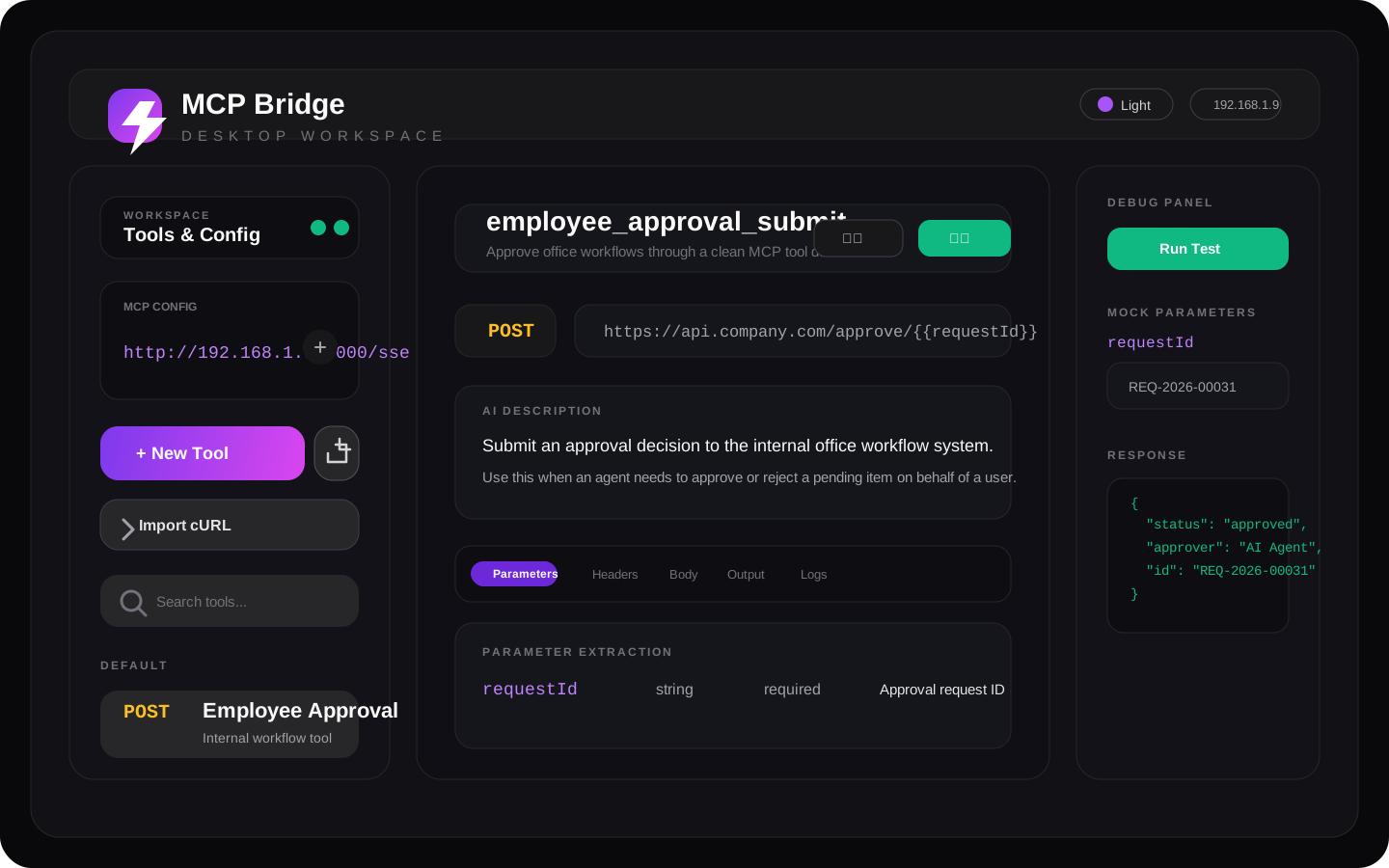
MCP Bridge is designed for real-world office automation scenarios where teams already have working cURL commands and want to convert them into safer, reusable, and agent-friendly tools without rebuilding integrations from scratch.
Why MCP Bridge
- Import existing cURL commands instead of rebuilding integrations from scratch
- Define MCP-friendly parameter schemas and response descriptions
- Run a local MCP SSE server for desktop AI clients
- Test, debug, and iterate on tools before exposing them to agents
- Package the experience as a desktop app for non-technical users
Core Capabilities
- cURL import: parse common request shapes into editable MCP tools
- Tool editor: configure method, URL, headers, body, parameters, and output fields
- Response shaping: extract the useful parts of large JSON responses
- Local persistence: store tools and logs in SQLite
- MCP transport: expose tools through a local SSE endpoint
- Desktop packaging: ship as an Electron app for macOS and Windows
Use Cases
- Turn internal approval or CRM APIs into agent-callable tools
- Wrap repetitive office workflows behind stable MCP actions
- Prototype agent integrations against existing APIs quickly
- Give AI assistants safe, structured access to business operations
Screenshots
cURL to MCP workflow
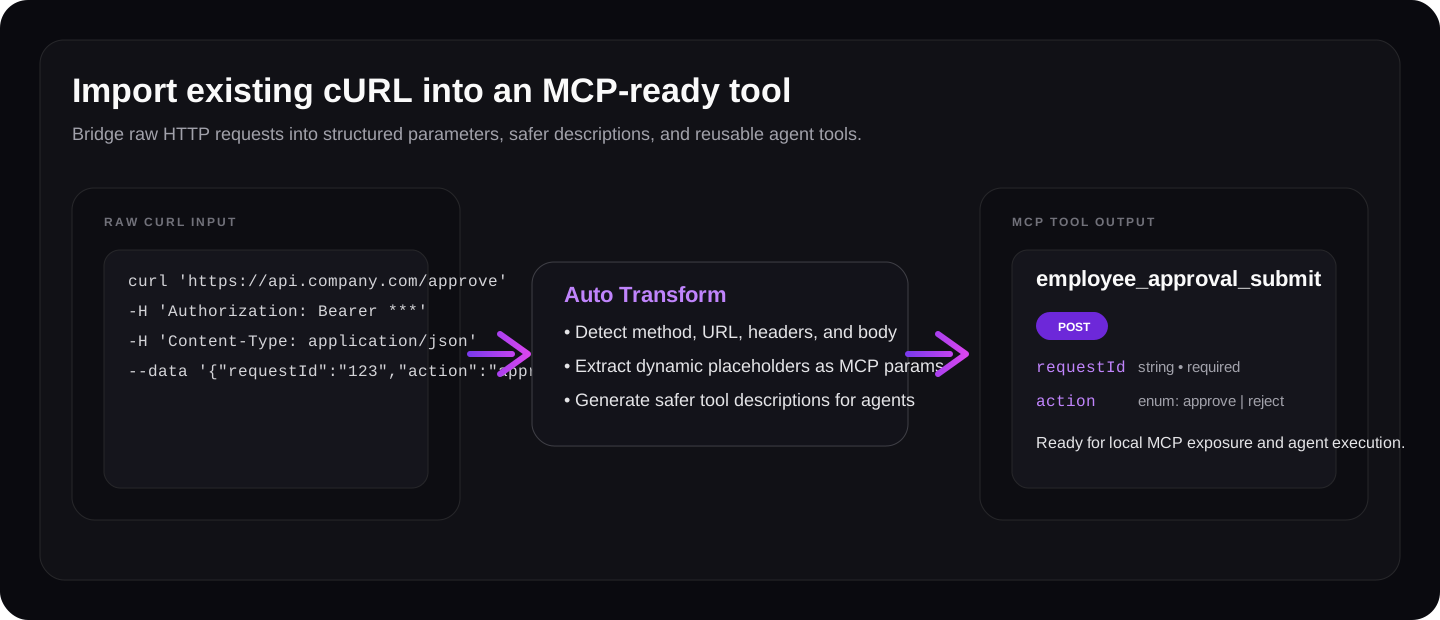
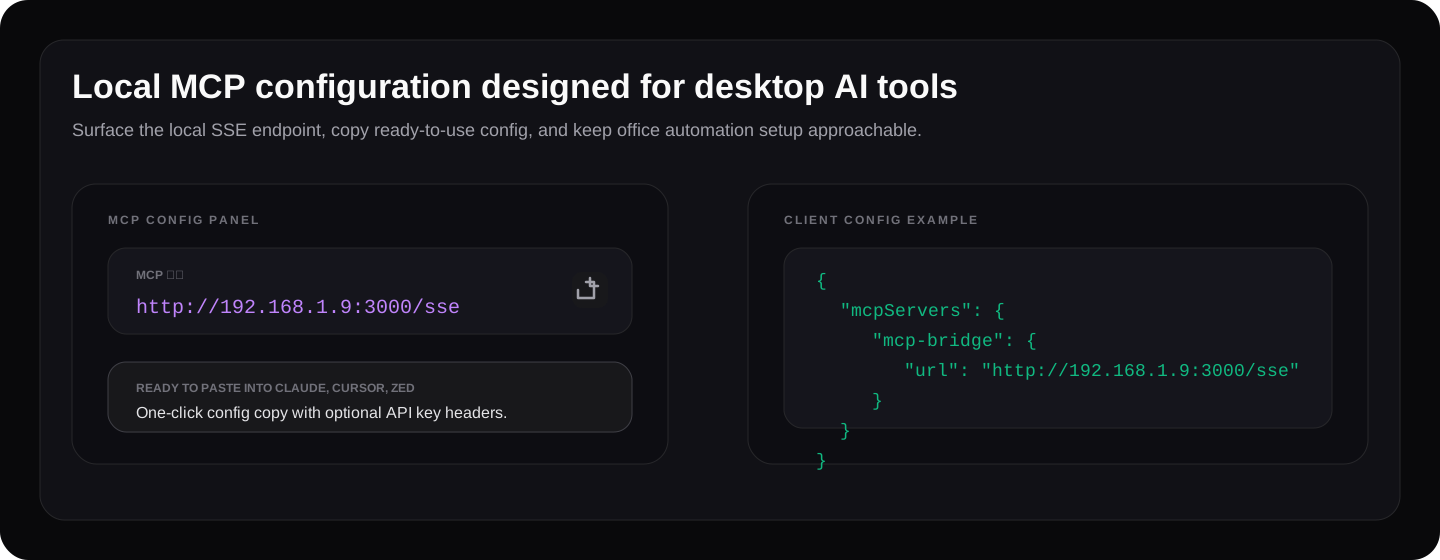
Local MCP configuration
Architecture
React UI
  -> Electron desktop shell
  -> Local Express server
  -> SQLite storage
  -> MCP SSE endpoint
  -> External APIs imported from cURL definitions
Key entry points:
src/App.tsx: main application UIserver.ts: local Express server and MCP SSE implementationelectron-main.ts: Electron main process and desktop bridgesrc/db.ts: SQLite persistence layer
Getting Started
Prerequisites
- Node.js 20 or newer
- npm 10 or newer recommended
- macOS for mac desktop packaging
- Windows for native Windows validation, or macOS with Electron Builder cross-packaging support
Install
npm install
Run The Web App
npm run dev
Open:
http://localhost:3000
Run The Desktop App In Development
npm run electron:dev
Build
npm run build
Create Desktop Packages
npm run dist:mac
npm run dist:win
Quality Checks
npm run check
Environment Variables
Copy .env.example to .env and adjust as needed.
Important values:
PORT: local HTTP and SSE portNODE_ENV: development or productionDB_PATH: SQLite database locationAPI_KEY: optional API key for protecting local MCP accessRATE_LIMIT_WINDOW_MS: API rate limiting windowRATE_LIMIT_MAX_REQUESTS: max requests allowed in the windowCORS_ORIGINS: comma-separated originsLOG_LEVEL: logger verbosity
MCP Endpoint
When the server is running locally, the SSE endpoint is:
http://localhost:3000/sse
In the packaged desktop app, the UI surfaces the detected local network address to make client setup easier across devices on the same LAN.
Suggested MCP Client Config
{
  "mcpServers": {
    "mcp-bridge": {
      "url": "http://localhost:3000/sse"
    }
  }
}
If you enable an API key:
{
  "mcpServers": {
    "mcp-bridge": {
      "url": "http://localhost:3000/sse",
      "headers": {
        "X-API-Key": "your-secret-api-key"
      }
    }
  }
}
Roadmap
- Safer write-action confirmation for high-risk tools
- Better auth templates for API keys, cookies, and OAuth-style flows
- More robust cURL parsing coverage
- Tool publishing workflow with validation and risk levels
- Richer audit logs, replay, and observability
- Reusable connector templates for office SaaS products
Contributing
Contributions are welcome. Start here:
- Read CONTRIBUTING.md
- Review CODE_OF_CONDUCT.md
- Check SECURITY.md for sensitive reports
Community Standards
- Be respectful and constructive
- Prefer small, focused pull requests
- Include reproduction steps for bugs
- Keep office automation and agent safety in mind when proposing features
License
This project is licensed under the MIT License. See LICENSE.